Library

Closing the Carbon Cycle: From Kinetic Control to Industrial Integration

Closing the Carbon Cycle: From Kinetic Control to Industrial Integration

If you were to visit the pilot plant at the University of Seville, where the valorisation of phosphogypsum (PG) through FIC-Fighters’ NaOH Route is being investigated, the first thing you would see upon entering would not be a complex industrial emission source or industrial stack, but something far more ordinary: a commercial CO2 cylinder connected to the carbonation reactor.
From Waste Mountains to High-Value Materials: The “NaOH Route” of FIC-Fighters

From Waste Mountains to High-Value Materials: The “NaOH Route” of FIC-Fighters

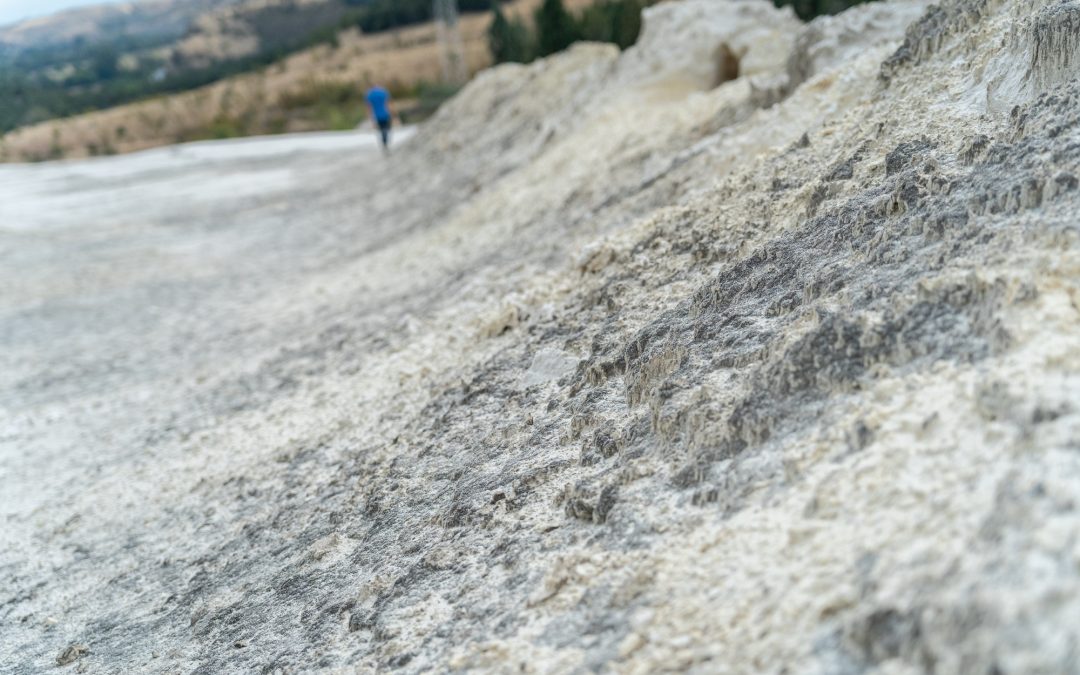
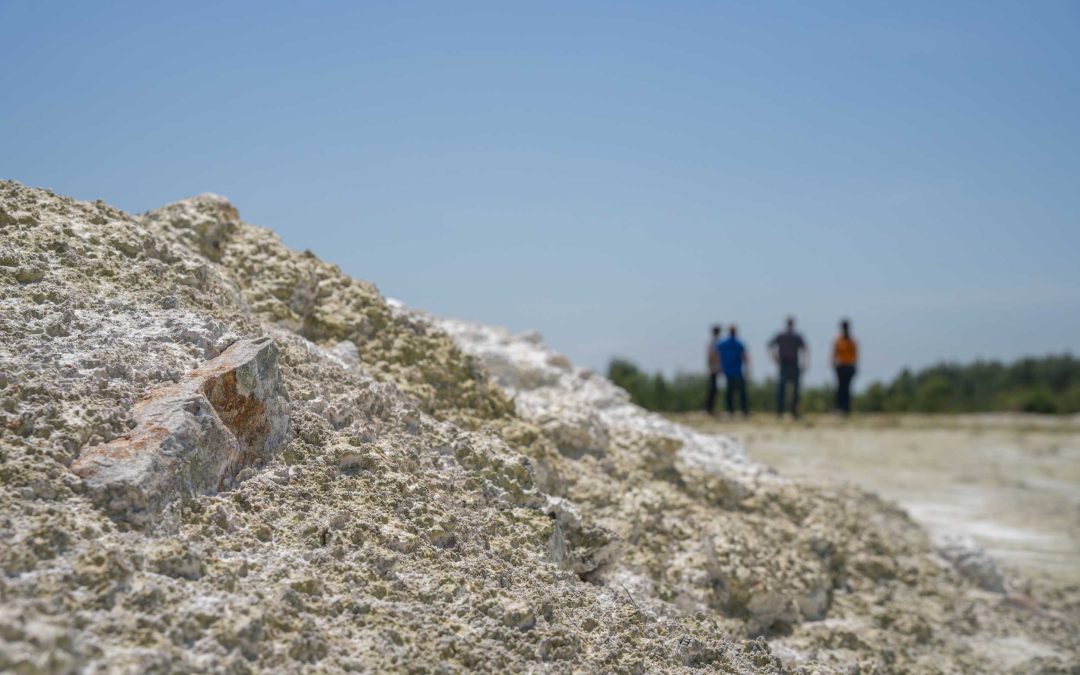
Millions of tonnes of phosphogypsum (internationally known as PG, https://fic-fighters.eu/virtualforum/what-is-phosphogypsum/) lie stored in vast open-air stacks across Europe, close to cities and coastlines, some for decades. In the FIC-Fighters project, we are developing a chemical process to transform this waste into useful, marketable materials. This article explains, in accessible language for all audiences, what the NaOH Route consists of, how it works, and why it matters.

Integrated Summary of Scientific Studies on the Prahovo PG Stack

Integrated Summary of Scientific Studies on the Prahovo PG Stack

The Prahovo PG stack in Serbia is not an immediate radiation emergency, but it is clearly an environmental hot spot that requires careful management. Some pathways are being tested, like purification by recrystallization, or the ones in FICFighters, to produce usable by-products pointing to both environmental challenges and opportunities for safe material recovery.

What is Phosphogypsum?

What is Phosphogypsum?

Phosphogypsum, a fertilizer industry by-product, contains naturally occurring radionuclides like uranium and radium. Its radioactivity varies based on source materials, requiring strict controls before any reuse in construction or agriculture.

FIC-Fighters in Prahovo: Field Work Photo Gallery

These images document the FIC-Fighters field work and community engagement activities in Prahovo and Negotin in Serbia, one of the project’s case studies exploring innovative approaches to phosphogypsum management. The gallery captures field visits to the...

FIC-Fighters in Kutina: Field Work Photo Gallery

The following images document the field research and community engagement of FIC-Fighters in Kutina, Croatia, one of the case studies where the project explores innovative approaches to phosphogypsum management. The gallery captures field research activities and site...

FIC-Fighters in Barreiro: Field Work Photo Gallery

The following images document the field work and community engagement FIC-Fighters’ work in Barreiro, Portugal, one of the case studies where the project explores innovative approaches to phosphogypsum management. The gallery captures field research activities, site...

Case Study Cards

Intro In certain areas across Europe, phosphogypsum (PG) stacks have become enduring landmarks of industrial prosperity—and unresolved environmental risk. From the Danube towns of Prahovo (Serbia) and Turnu Măgurele (Romania), to coastal Cartagena (Spain), and from...